Canine Oxygen Therapy
Professional Reference & Field Protocols
Barrett O2 Muzzles is committed to supporting the professionals who depend on our equipment in the field. This resource library provides evidence-informed guidance on canine oxygen therapy, emergency response protocols, and correct mask use so your team is prepared before a critical situation demands it.
Whether you are a veterinary technician, fire department K9 handler, military working dog medic, or search and rescue volunteer, the materials below are written for practitioners who need accurate, actionable information not consumer generalities.
Veterinary Disclaimer:
This reference section is strictly for informational and research purposes, does not provide medical advice or instructions, and should not replace consultation with a licensed veterinarian.
Fundamentals of Canine Oxygen Therapy
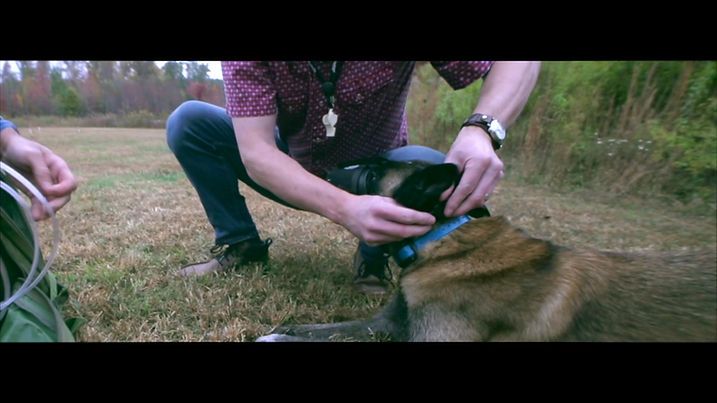
Supplemental oxygen is one of the most immediate life-saving interventions available to veterinary and emergency professionals. Understanding the clinical indications, appropriate flow rates, and correct administration technique ensures that every delivery is effective and that equipment like Barrett O2 Muzzles is used to its full potential.
Clinical Indications
Supplemental oxygen therapy is indicated whenever a dog presents with hypoxemia, defined as a blood oxygen saturation (SpO2) below 95%. Common presenting causes include smoke inhalation, trauma with respiratory compromise, anesthetic recovery, pulmonary edema, pneumonia, pneumothorax, and severe hemorrhagic shock. In field emergencies where pulse oximetry is unavailable, clinical signs such as cyanotic mucous membranes, labored breathing, paradoxical chest movement, or altered mentation should prompt immediate oxygen supplementation.
Flow Rates & Delivery Targets
Standard supplemental oxygen delivery via mask targets an inspired oxygen fraction (FiO2) of 40-60% using flow rates of 2-5 L/min. A tight mask seal as provided by Barrett O2 Muzzles minimizes ambient air dilution and allows lower flow rates to achieve therapeutic FiO2 levels efficiently.
Mask Administration Technique
Connect the oxygen supply line and confirm flow. Position the dog in sternal recumbency or lateral recumbency depending on injury status. Apply the Barrett O2 Muzzle snugly over the muzzle and nose, ensuring the mask rim seats flush against facial contours. Monitor chest rise and mucous membrane color continuously. The hands-free retention design allows the handler to maintain airway positioning while a second responder manages other interventions. Remove the mask immediately if the dog shows signs of distress that the mask itself may be exacerbating.
Barrett O2 Muzzles are sized to accommodate the full range of canine facial profiles from small breeds to large working dogs ensuring consistent mask seal across patient types. View the full size guide on the Products page.Products page.
Emergency Oxygen Protocols by Incident Type
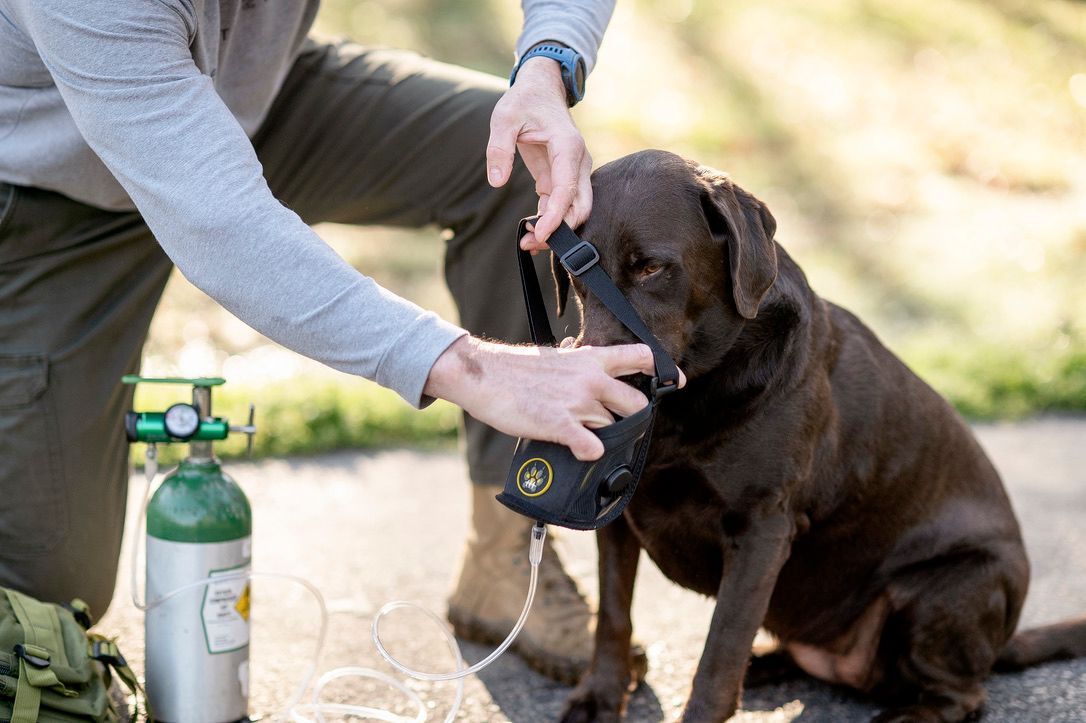
These protocols reflect best practices for four of the most common canine emergency scenarios. Barrett O2 Muzzles are the recommended delivery tool. Protocols are intended as field guidance always defer to veterinary direction when a clinician is on-scene.
Barrett O2 Muzzles should not be used on dogs vomiting or at risk of vomiting.
Smoke Inhalation
Remove the dog from the smoke environment immediately. Assess for upper airway burns, singed nasal hairs, or carbonaceous sputum. Initiate oxygen via Barrett O2 Muzzle at 5 L/min. Monitor SpO2 and prepare for immediate transport to nearest Veterinary Emergency Center. Oxygen administration in the field is supportive care and does not replace veterinary assessment. Keep the dog calm and minimize exertion as anxiety increases oxygen demand.
Heat Exhaustion & Heat Stroke
Core body temperature above 104°F (40°C) constitutes heat stroke a life-threatening emergency. Begin active cooling (cool water, not ice). Continue cooling until rectal temperature reaches 103°F (39.4°C). Although the Barrett O2 Muzzle is an excellent tool for oxygen delivery it could interfere with adequate heat exchange primarily achieved by panting. In a suspected Heat Injury this would be a contraindication for use.
Trauma & Hemorrhagic Shock
Trauma patients with suspected internal hemorrhage, pneumothorax, or chest wall injury benefit immediately from supplemental oxygen. Apply the Barrett O2 Muzzle at 4-5 L/min while controlling external bleeding and immobilizing fractures. Avoid positions that compromise respiratory mechanics. Do not delay transport oxygen therapy is supportive, not curative, in hemorrhagic emergencies.
Respiratory Distress (General)
Signs include open-mouth breathing, extended neck posture, abdominal effort on inhalation, and pale or bluish mucous membranes. Position the dog in sternal recumbency and apply oxygen immediately at 3-5 L/min. Do not restrain the dog forcibly stress dramatically worsens respiratory compromise. If upper airway obstruction is suspected, do not use the muzzle; clear the airway first. Reassess every 2 minutes and document SpO2 readings for veterinary handoff.
Fitting, Using, Cleaning & Storing Your Barrett O2 Muzzle
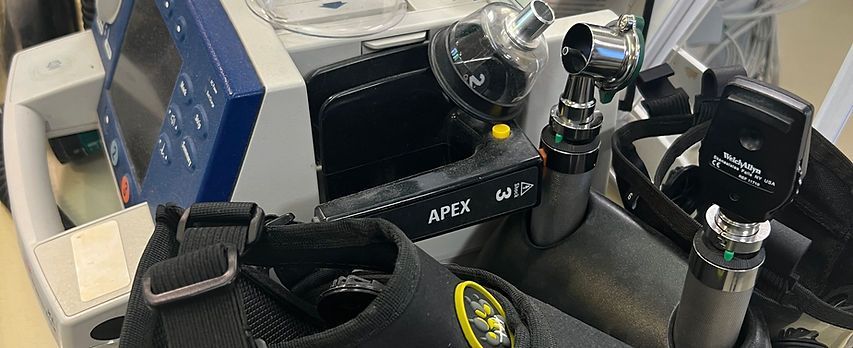
Correct use of your Barrett O2 Muzzle ensures maximum oxygen delivery efficiency, patient safety, and product longevity. Follow these steps every time to maintain professional-grade performance in the field or clinic.
1. Selecting the Right Size
Measure the dog's muzzle length and circumference before the first use. Barrett O2 Muzzles are available in Small, Medium, Large, and XL to accommodate breeds from French Bulldogs to Belgian Malinois. A proper fit seats the mask rim flush against the face with no visible gaps. Consult the sizing guide on /products for breed-specific recommendations.
2. Fitting & Oxygen Connection
Connect the standard oxygen supply line to the inlet valve and confirm audible flow. Hold the mask over the dog's muzzle and nose. Align the oxygen port with the dog's midline. Secure the retention strap behind the ears snug but not compressing. The mask can be held manually or remain self-retained during transport.
3. Monitoring During Use
Observe chest rise, mucous membrane color, and SpO2 throughout administration. Never leave an oxygen-masked dog unattended. If the dog shows signs of panic, claustrophobia, or worsening distress, remove the mask, reassess, and consider alternative delivery methods. Maximum continuous use per session is governed by the clinical situation there is no fixed time limit, but continuous monitoring is mandatory.
4. Cleaning & Storage
After each use, rinse the mask with warm water. Wash with a veterinary-grade disinfectant approved for rubber and silicone surfaces avoid bleach concentrations above 1:10 dilution, which may degrade the seal material over time. Allow to air dry fully before storing. Store in a clean, sealed bag away from UV exposure and sharp objects. Inspect the mask rim and oxygen port before every use for cracks, deformation, or valve obstruction.
For bulk procurement, replacement parts, or product questions, visit /contact or call us directly:
Ready to Equip Your Team?
Explore the full Barrett O2 Muzzle product line sized for every canine patient from small breeds to large working dogs or contact our team with procurement, sizing, or protocol questions. We support veterinary hospitals, fire departments, military working dog programs, police K9 units, and search and rescue organizations nationwide.